
Gambling in Western Cultures
In many Western cultures, gambling is often viewed as a form of entertainment. Countries like the United States and the United Kingdom have established vibrant gambling industries that include casinos, sports betting, and online gaming platforms. This acceptance is reflected in the advertising and accessibility of gambling options, which are designed to cater to a wide range of preferences and budgets. For an engaging online experience, you might visit www.corsaza-casino.com, which offers a variety of gaming opportunities.

However, attitudes can vary significantly within these cultures. While some see gambling as a harmless pastime, others express concerns about addiction and its impact on families. This dichotomy has led to the implementation of responsible gambling measures in various jurisdictions to protect vulnerable individuals while allowing others to enjoy gambling as a recreational activity.
Asian Perspectives on Gambling
In Asia, cultural attitudes towards gambling are diverse, often influenced by historical, religious, and social factors. For instance, in countries like China, gambling is deeply intertwined with cultural practices, especially during festivals. The popularity of games like Mahjong highlights how gambling can serve as a social activity, bringing families and communities together.
Conversely, in nations such as Japan, gambling is more regulated and often associated with negative connotations, primarily due to concerns about addiction and crime. The Japanese government has implemented strict laws governing gambling, yet the rise of legalized integrated resorts shows a shift towards a more open attitude, aimed at boosting tourism and the economy.
The Role of Religion in Shaping Gambling Views
Religion plays a pivotal role in shaping cultural attitudes towards gambling in various societies. In predominantly Christian nations, gambling may be viewed with skepticism or outright disapproval, largely due to moral teachings that discourage excess and promote responsibility. This often leads to community-led initiatives aimed at promoting responsible gambling practices.
In contrast, some religions have more permissive views on gambling. For example, in certain Islamic cultures, gambling is strictly prohibited, as it is considered sinful. This strong prohibition affects not only personal choices but also government policies, leading to outright bans on gambling activities in many Muslim-majority countries.
The Social Impact of Gambling Worldwide
Across the globe, the social impact of gambling cannot be understated. In regions where it is legal and culturally accepted, gambling can contribute significantly to local economies through job creation and tax revenue. However, it can also lead to social issues, including addiction, financial hardship, and increased crime rates in areas where gambling is prevalent.
Moreover, the advent of online gambling has created new challenges and opportunities. While it provides convenience and accessibility, it also raises concerns about problem gambling, particularly among younger audiences who may find it easier to engage in online betting without the social checks present in traditional gambling venues.
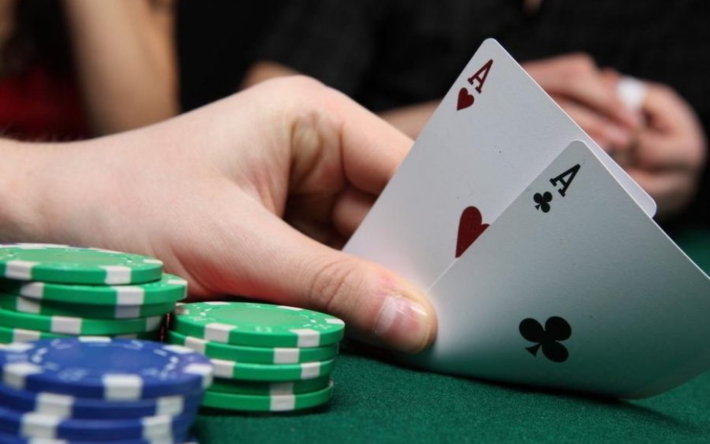
Corsaza Online Casino: A Responsible Gaming Experience
Corsaza Online Casino exemplifies a modern approach to online gambling, emphasizing player safety and responsible gaming. With over 2,000 games to choose from, including slots, table games, and live dealer options, it caters to a diverse audience seeking various gaming experiences. Licensed by the Malta Gaming Authority, Corsaza ensures transparency and fairness in all its offerings.
New players are welcomed with generous bonuses tailored to enhance their gaming journey, promoting engagement from the very start. The platform’s focus on responsible gaming, combined with its mobile accessibility, makes Corsaza a trusted choice for players looking for an enjoyable and secure online gaming environment in Europe.